
Many crafters and small business owners who love sublimation printing often wonder — “Can I make my own sublimation blanks?”
The answer is: yes, but with some limitations.
While it’s technically possible to make sublimation blanks at home, there are a few important things you need to understand about materials, coatings, and long-term quality before starting. Let’s break it down step by step.
? What Are Sublimation Blanks?
Sublimation blanks are specially coated surfaces that can absorb sublimation ink when exposed to heat and pressure.
This coating — usually made from polyester or polymer resin — allows the ink to turn into gas and bond with the surface, creating a vivid, permanent print.
Typical sublimation blanks include:
- Aluminum sheets and photo panels
- Mugs, tumblers, and coasters
- Keychains and ornaments
- Fabric products like T-shirts or pillow covers
Without the right coating, the sublimation ink simply won’t transfer or stick, no matter how hot your press is.
? Can You Make Sublimation Blanks at Home?
Technically, yes — but not every material can be turned into a sublimation blank easily.
The key challenge lies in applying the proper coating, which must be smooth, heat-resistant, and compatible with sublimation ink.
There are two main DIY methods people try:
1. Using Sublimation Coating Sprays
You can buy sublimation coating sprays designed for ceramics, glass, metal, or wood.
These sprays create a polymer layer that allows the ink to adhere during heat transfer.
✅ Pros:
- Easy to use
- Works for small projects
- Good for experimenting
❌ Cons:
- Results may be inconsistent
- Spray layers can peel or yellow over time
- Not ideal for large-scale production
2. Using Pre-Coated Materials
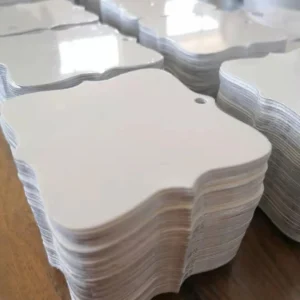
If you’re handy with crafting, you can also purchase pre-coated aluminum sheets or films, then cut and shape them into custom blanks.
✅ Pros:
- Professional-quality coating
- Custom shapes and sizes possible
- More durable finish
❌ Cons:
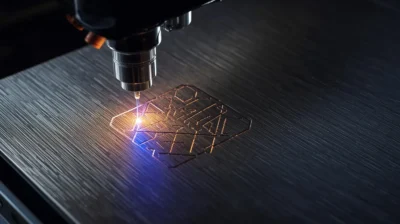
- Requires cutting tools (e.g., laser cutter, metal shear)
- Higher cost upfront
- Limited coating thickness options
? What Materials Can Be Turned into Sublimation Blanks?
Here’s what’s possible (and what’s not):
| Material | Possible? | Notes |
|---|---|---|
| Aluminum / Metal | ✅ | Works if coated with polyester or UV-resistant polymer |
| Ceramic | ✅ | Requires a specific ceramic sublimation spray |
| Wood / MDF | ✅ | Works with clear sublimation coating; better on smooth surfaces |
| Glass / Acrylic | ⚠️ | Possible, but adhesion is tricky |
| Cotton Fabric | ❌ | Sublimation only bonds to polyester fibers |
| Plastic / PVC | ❌ | May melt or warp under high heat |
So, yes — you can make sublimation blanks yourself, but professional results require specific materials and coatings.
? Why Most Businesses Still Buy Pre-Made Sublimation Blanks
Even experienced crafters eventually find that buying ready-made sublimation blanks saves time, waste, and frustration.
Professionally manufactured blanks are:
- ✅ Evenly coated for consistent results
- ? Available in various finishes (glossy, matte, brushed)
- ? More durable for commercial or resale use
- ? Ready to print — no prep or curing needed
If you plan to sell personalized gifts, signs, or ornaments, pre-coated blanks ensure color consistency and professional quality every time.
? Final Thoughts
So, can you make your own sublimation blanks?
? Yes, if you’re doing small DIY projects or experiments.
? But for business use or reliable quality, buying pre-coated blanks is the smarter choice.
Our company supplies a full range of sublimation aluminum sheets, ornaments, and metal blanks with professional coatings — ready for UV or heat press printing.
? Contact us today for wholesale prices, samples, or OEM customization. Let’s help you make your sublimation ideas shine!
❓ FAQ
1. Can I use regular aluminum for sublimation?
No. Regular aluminum doesn’t have the polyester coating required for sublimation. The ink won’t bond properly without it.
2. Can I coat my own metal for sublimation?
You can use sublimation coating sprays, but the adhesion and durability are often less stable than factory-applied coatings.
3. What’s the best coating for DIY sublimation blanks?
Polyester-based sublimation coating sprays are the most common. Always follow curing instructions for best results.
4. Can I sublimate on wood or glass?
Yes, but only if coated properly with a clear polymer sublimation layer. Otherwise, the print will fade or wash off.