In sublimation aluminum production, thickness is not just a specification—it directly affects:
- Product durability
- Flatness and rigidity
- Printing performance
- Final presentation quality
That’s why in our factory, every batch of sublimation aluminum sheets undergoes strict thickness inspection before shipping.
Recently, we conducted a simple but important internal test:
👉 measuring 0.65mm and 1.15mm aluminum sheets using precision calipers.
This may look like a basic step, but it plays a critical role in ensuring consistent quality for our customers worldwide.
Why Aluminum Sheet Thickness Matters in Sublimation Printing
In sublimation metal printing, even small differences in thickness can change the final product experience.
Common thickness options in the market:
- 0.45mm → lightweight decorative use
- 0.65mm → standard general-purpose panels
- 1.15mm → premium photo panels and rigid displays
Among these, 0.65mm and 1.15mm are the most commonly used industrial grades.
0.65mm Aluminum Sheets: Lightweight & Cost-Efficient
0.65mm sublimation aluminum is widely used for:
- Wall decoration prints
- Promotional signage
- Light photo panels
- Budget-friendly custom gifts
Key characteristics:
- Lightweight
- Easy to cut and process
- Lower material cost
- Suitable for mass production
However, compared to thicker sheets, it is slightly more flexible.
1.15mm Aluminum Sheets: Premium Rigid Photo Panels
1.15mm aluminum sheets are often used in high-end applications such as:
- Premium photo panels
- Corporate awards
- Luxury wall art
- Long-term display signage
Key characteristics:
- Excellent rigidity
- High-end, solid feel
- Better flatness after mounting
- Strong premium perception
👉 This thickness is especially popular in the metal photo panel market, where stability and presentation quality matter most.
Factory Thickness Measurement Process
In our production process, thickness control is a key quality checkpoint.
During inspection, we use precision measuring tools such as calipers to verify each batch.
For example:
✔ Measuring 0.65mm sheets
We confirm:
- Uniform thickness across different points
- No deviation caused by the rolling process
- Surface consistency before coating and cutting
✔ Measuring 1.15mm sheets
We check:
- Structural stability
- Flatness consistency
- Batch-to-batch thickness accuracy
Even small deviations can affect:
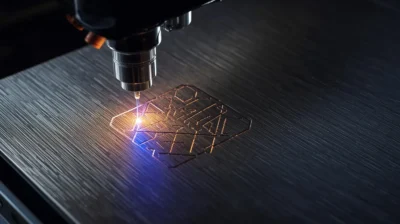
- CNC cutting precision
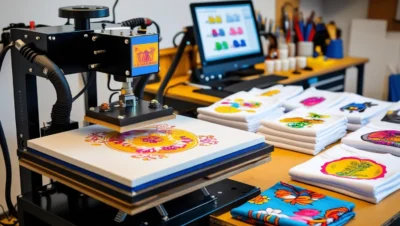
- Heat press performance
- Final sublimation image quality
Why We Test Before Cutting and Coating
Thickness testing is not just a final step—it is part of the entire production chain.
We measure aluminum sheets before:
- Coating process
- PE film lamination
- CNC cutting
- Packaging
This ensures every sheet performs consistently during sublimation printing.
0.65mm vs 1.15mm: Which One Should You Choose?
The right choice depends on your application:
| Thickness | Best For | Positioning |
|---|---|---|
| 0.65mm | Light prints, signage, promotions | Cost-effective |
| 1.15mm | Photo panels, premium gifts | High-end market |
👉 If your goal is higher perceived value and premium branding, 1.15mm is usually the better choice.
👉 If your goal is cost control and mass production, 0.65mm is more efficient.
Real Factory Insight: Why 1.15mm Is Harder to Source
Many buyers notice something interesting in the market:
👉 1.15mm sublimation aluminum is often harder to find than thinner sheets.
The reason is simple:
- Higher material cost
- More demanding rolling process
- Stricter flatness requirements
- Lower production yield
That’s why not all suppliers keep it in stock consistently.
Our Manufacturing Capability
As a professional sublimation aluminum sheet manufacturer, we not only supply standard thickness options like 0.65mm and 1.15mm, but also support:
- Custom thickness production
- Custom sheet sizes
- CNC precision cutting
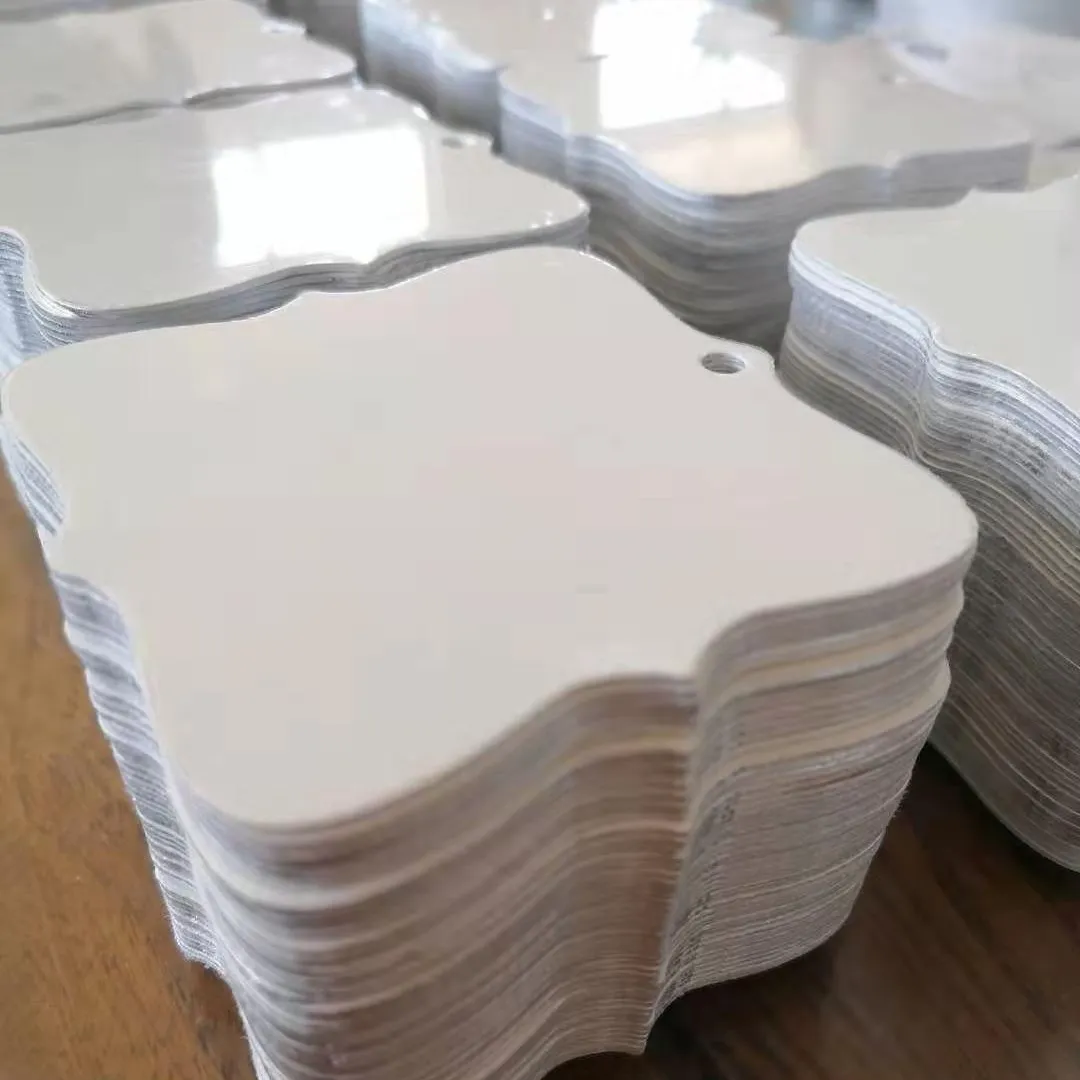
- Custom shapes for photo panels and ornaments
This flexibility helps distributors and print shops expand their product lines more easily.
Why Thickness Control Impacts Your Final Product
In sublimation printing, aluminum sheet thickness affects:
- Image sharpness after pressing
- Panel rigidity after cooling
- Mounting stability on walls
- Perceived product quality
That’s why professional suppliers always control thickness within strict tolerances.
Conclusion
The simple act of measuring 0.65mm and 1.15mm aluminum sheets reflects a much bigger principle in manufacturing:
👉 Consistency creates quality
👉 Quality builds trust
👉 Trust drives long-term business growth
Whether you choose 0.65mm for efficiency or 1.15mm for premium positioning, understanding thickness differences helps you make better decisions for your product line.